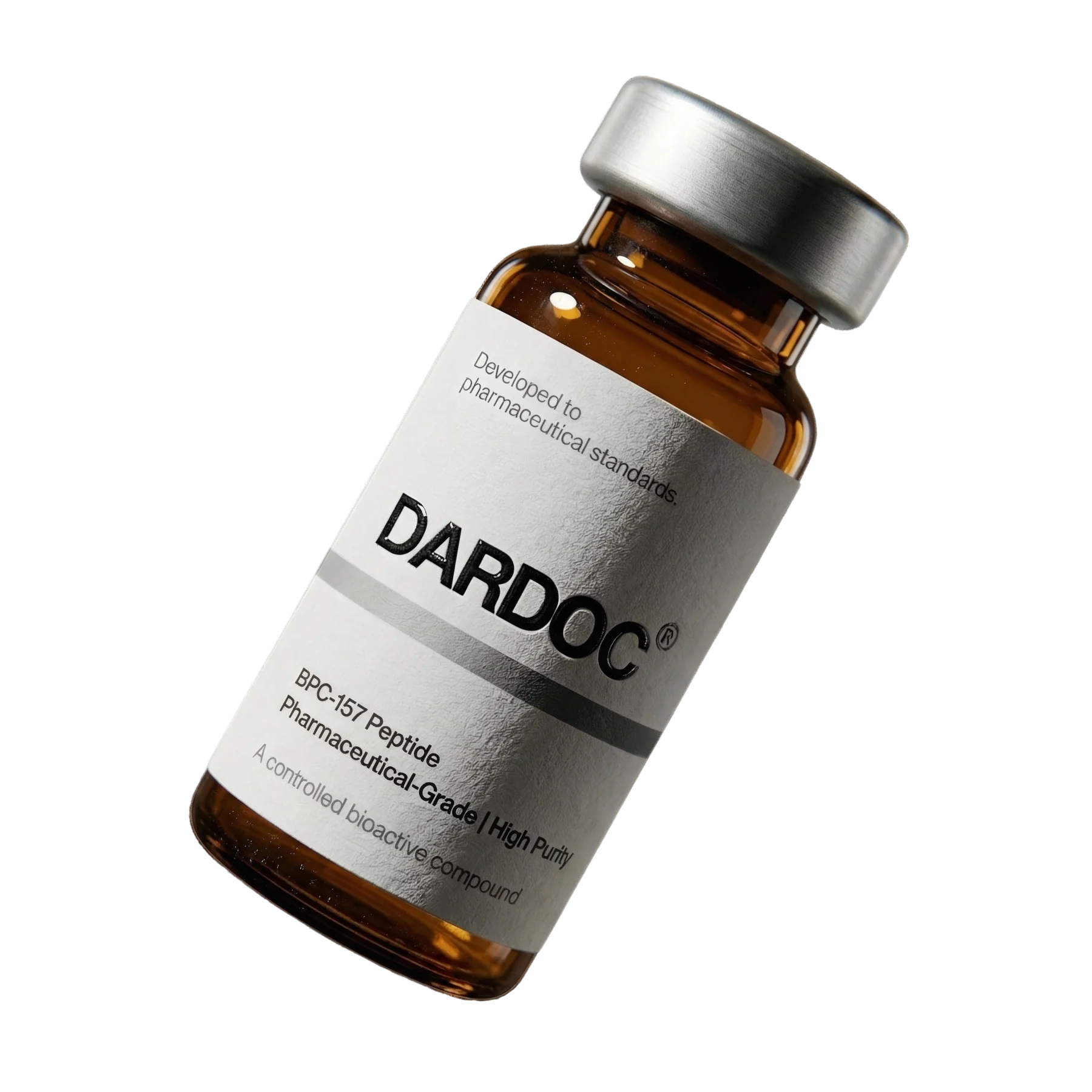
A patient walked into a Dubai clinic earlier this year holding a chat screenshot. Someone in his padel WhatsApp group had recommended a peptide called BPC-157. He had a friend at his gym in Al Barsha selling vials. Was it safe? Was it legal? What did it actually do?
The questions are honest, the answers are layered, and the gym-bro shortcut is rarely the right one. Peptide therapy is a real and growing branch of clinical medicine. It's also an area where Instagram has outrun the evidence, where counterfeits in the regional supply chain are a documented problem, and where the difference between a licensed prescription and a vial off a gym floor is the difference between a controlled clinical intervention and a coin flip.
This is a primer, not a sales pitch. By the end you'll know what peptides are, where the science is solid and where it isn't, what the UAE's regulators actually permit, and what a properly run treatment pathway looks like in Dubai and Abu Dhabi.
So what is a peptide?
A peptide is a short chain of amino acids. By the conventional definition, anything with fewer than about 50 amino acids is a peptide. Anything longer is a protein [Frontiers in Pharmacology, 2018]. The line is fuzzy at the edges, but the distinction matters: peptides are small enough to be synthesized in a lab at scale, small enough that the immune system rarely treats them as foreign, and small enough that they can be designed to perform a single, specific signaling job.
Your body already runs on peptides. Insulin is a peptide, 51 amino acids long. Oxytocin, the so-called bonding hormone, is a 9-amino-acid peptide. Glucagon, growth hormone-releasing hormone, calcitonin, vasopressin, and the endorphins are all peptides. There are more than 7,000 known endogenous peptides in human biology, each with a specific receptor and a specific role [Endocrine Reviews, 2014].
Therapeutic peptides borrow this language. They're either an exact replica of an endogenous peptide (like prescription insulin), a closely related analog with the half-life or potency tuned for clinical use, or a novel sequence designed to bind a specific receptor and trigger a specific outcome.
What peptides are not
The single most important sentence in this article: peptides are not steroids.
Anabolic steroids are testosterone derivatives. They work by binding the androgen receptor, the same receptor your endogenous testosterone binds, and pushing the signal harder. They build muscle through a different mechanism, carry a different risk profile (cardiac strain, hepatic toxicity, suppression of the hypothalamic-pituitary-gonadal axis), and sit on a different shelf in the regulator's view: in the UAE, anabolic steroids are scheduled controlled substances, possession can be a criminal matter, and the gym scene's casual relationship with them is one of the region's quiet public health concerns.
Peptides, with a few exceptions, do not bind androgen receptors. They don't operate through the same hormonal axis. The conflation between the two is mostly marketing residue from a decade of bodybuilding forums lumping everything injectable into one bucket. Treat that bucket with skepticism.
Peptides are also not SARMs. Selective androgen receptor modulators are small synthetic molecules, not peptides. They are not approved for human use anywhere in the world (FDA, EMA, MOHAP) and a 2017 analysis in JAMA found that 39 of 44 SARM products bought online contained substances different from what was advertised, were illegally substituted, or contained banned drugs [JAMA, 2017]. They show up alongside peptides in gym culture; they are a separate, more dangerous category.
The therapeutic peptide spectrum
Therapeutic peptides sit on a spectrum, ordered by how rigorously they've been validated:
- Fully approved peptide drugs. Insulin (approved 1982 in its synthetic form), the GLP-1 receptor agonists used for type 2 diabetes and weight loss, calcitonin for osteoporosis, tesamorelin for HIV-associated visceral fat (FDA-approved 2010), bremelanotide for hypoactive sexual desire disorder (FDA-approved 2019). These have completed phase III trials, carry a defined indication, and are dispensed by licensed pharmacies.
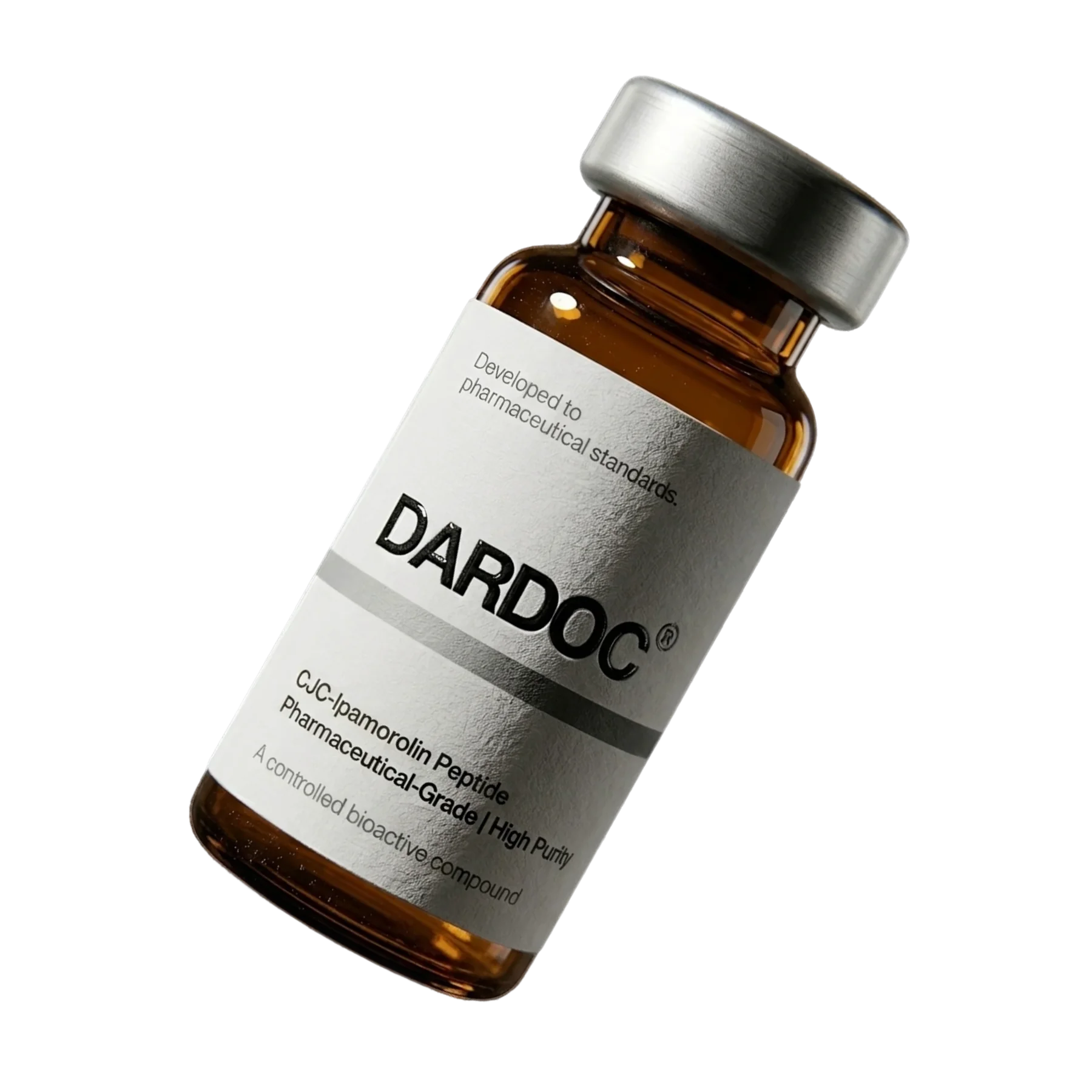
- Compounded peptides with clinical use. Sermorelin, ipamorelin, CJC-1295, and similar growth-hormone-axis peptides are used clinically by endocrinologists and longevity-trained physicians, often in compounded form. Their evidence is more uneven, indication is off-label, and a UAE prescription requires a licensed clinic and a licensed compounding pharmacy.
- Research-grade peptides. BPC-157, Thymosin Beta-4, and several others have animal-model evidence and a smaller body of human case series, but no large randomized trials. They are sold legally as research-only material in some jurisdictions, sit in a regulatory grey zone in others, and are commonly compounded by clinics for off-label use.
- Illicit and counterfeit peptides. Vials sold through gym networks, Instagram DMs, and unlicensed online vendors. The World Health Organization estimates that approximately 1 in 10 medical products in low- and middle-income regions is substandard or falsified, and the Eastern Mediterranean has been flagged as a hotspot [WHO, 2017]. Peptides specifically are easy to mislabel because end-users can't tell what's in the vial without lab analysis.
The first two categories are where licensed UAE clinics operate. The third is where physicians make case-by-case judgement calls. The fourth is where most of the harm in this space happens, and the reason the rest of this article exists.
What's actually licensed in the UAE
Three regulators set the rules. The Ministry of Health and Prevention (MOHAP) administers the federal pharmaceutical schedule. The Dubai Health Authority (DHA) licenses clinics, pharmacies, and physicians operating in Dubai. The Department of Health (DoH, formerly HAAD) does the same for Abu Dhabi. Sharjah and the northern emirates default to the MOHAP framework. Together they decide which peptides can be imported, who can prescribe them, and who can compound them.
Fully approved peptide drugs (insulin, GLP-1 agonists, tesamorelin, bremelanotide where it's been registered) require a prescription from a licensed physician and dispensing through a licensed pharmacy. The same standard you'd expect for any medication.
Compounded peptides are more constrained. Compounding pharmacies in the UAE require specific authorization from the regulator, and the supply chain for active pharmaceutical ingredients is monitored. A clinic that prescribes sermorelin or ipamorelin should be able to tell you exactly which compounding pharmacy is producing the vial, what their licensing is, and what quality controls (sterility testing, mass spectrometry verification of the active ingredient) sit behind it. If a clinic can't answer those questions, that's diagnostic.
Research-grade and illicit peptides are not, in practice, supposed to be in patient hands at all. Customs interceptions of unmarked vials at Dubai International happen often enough that they're now a routine line item in MOHAP's annual enforcement reports. The risk is not theoretical.
Common misconceptions, briefly handled
- "Peptides are a quick fix." They aren't. Most therapeutic peptides act through receptor signaling that takes weeks to translate into observable change. Sermorelin's effect on body composition is typically measured at 3 to 6 months. BPC-157 case series report symptomatic improvement in tendinopathy at 4 to 8 weeks. Anyone promising 14-day transformation is selling something other than peptides.
- "If it's natural, it's safe." Endogenous peptides at exogenous doses are still drugs. Insulin saves lives daily and kills people daily, depending on the dose. Growth hormone secretagogues raise IGF-1 and there's a real conversation in the literature about whether high IGF-1 increases certain cancer risks [The Lancet Oncology, 2010]. Safe at the right dose, supervised, and contraindicated in the wrong patient.
- "Peptides are interchangeable with TRT." They are not. Testosterone replacement therapy treats hypogonadism (clinically low testosterone) by replacing the missing hormone. Some peptides interact with the gonadal axis (kisspeptin, for example), but most therapeutic peptides operate on entirely different pathways. The two are not substitutes for each other.
- "All peptides need injections." Most do. Oral peptides are degraded in the stomach before they reach circulation, which is why insulin is injected, GLP-1 agonists were injected for two decades before oral semaglutide was engineered around the digestive problem, and BPC-157 oral formulations exist but have lower bioavailability than the injectable form. Some, like nasal-spray PT-141, route around the gut.
Who should consider peptide therapy
Peptide therapy is most useful when there's a specific clinical indication and when other interventions have been considered. The most defensible indications include:
- Recovery from a specific tendon, ligament, or muscle injury where conservative care has plateaued. BPC-157 has the most evidence here, mostly in animal models with smaller human case series [Inflammopharmacology, 2018].
- Age-related decline in growth hormone signaling, where IGF-1 trends low alongside symptoms (poor sleep, slow recovery, declining body composition despite training). Sermorelin and ipamorelin are the most-studied options.
- HIV-associated visceral lipodystrophy, where tesamorelin has phase III evidence and FDA approval [NEJM, 2010]. Off-label use for general visceral fat reduction in metabolically healthy patients is more controversial.
- Hypoactive sexual desire disorder in premenopausal women, where bremelanotide (PT-141) is FDA-approved and has the highest-quality evidence in the libido space [Obstetrics and Gynecology, 2019].
- Metabolic and longevity protocols where IGF-1, insulin sensitivity, and inflammatory markers are tracked, the indication is documented, and the patient is being monitored.
Who should not consider peptide therapy: anyone with an active malignancy or recent cancer history (most peptides are growth-promoting), pregnant or breastfeeding women, patients with active growth hormone excess (acromegaly), patients with uncontrolled cardiac disease, and most people under 25 outside specific indications.
What a real UAE pathway looks like
A properly run peptide consultation in Dubai or Abu Dhabi has six predictable steps. If your clinic skips any of them, that's the moment to ask why.
- Consultation with a DHA- or DoH-licensed physician. Not a coach, not a clinic manager, not the person at the front desk. The doctor's license number should be visible on the clinic's MOHAP listing, which is a public registry.
- Bloodwork before any prescription. Baseline labs depend on the protocol but typically include a full hormone panel (testosterone, IGF-1, thyroid), CBC, comprehensive metabolic panel, lipid panel, and HbA1c. Without this, no responsible physician writes a peptide prescription.
- Prescription written for a specific peptide, dose, and duration. Not a vial handed to you, not a generic protocol. A prescription you can carry to a pharmacy.
- Dispensing by a licensed compounding pharmacy with documented quality controls. Cold-chain delivery to your home is the modern standard.
- Supervised initial administration. The first dose, in particular for injectable peptides, should be administered by or with supervision from a registered nurse. DarDoc's home-visit model handles this directly, but other clinic models work as long as someone clinical is in the room.
- Follow-up labs at 8 to 12 weeks. Without re-testing, you have no idea whether the peptide is doing what it's supposed to do. The IGF-1 response to sermorelin, for example, is measured. The inflammatory response to BPC-157 is measured. The clinic that doesn't re-test is the clinic that's selling something other than medicine.
Speak to a DarDoc physician
What to ask your doctor
- What's the specific indication you're treating?
- What's the evidence base, and where does this peptide sit on the spectrum from FDA-approved to research-grade?
- Which licensed compounding pharmacy is producing the prescription?
- What's the dose, frequency, and duration of the protocol?
- What labs do we draw at baseline, and which do we re-check at follow-up?
- What are the expected side effects and the rare-but-serious ones?
- What are the contraindications, and have you ruled them out for me specifically?
- If this protocol doesn't work, what's the next step?
A clinic that answers all eight in plain language is a clinic worth working with. A clinic that gets defensive at any of them is one to walk away from.
The bottom line
Peptides are a real branch of clinical medicine with growing evidence, real indications, and a proper place in a longevity-minded patient's toolkit. They are not magic, not steroids, not a shortcut, and not safe to source from a gym in Al Barsha. The UAE has the regulatory infrastructure (DHA, DoH, MOHAP) and the licensed clinical capacity to deliver peptide therapy responsibly. The question is whether the clinic you're considering is operating inside that infrastructure or somewhere outside it.
If you're considering peptide therapy, talk to a licensed physician before you make any decision. This article is educational, not medical advice for your specific situation. Your medical history, current medications, and goals matter. So does the seriousness of the clinic you choose.