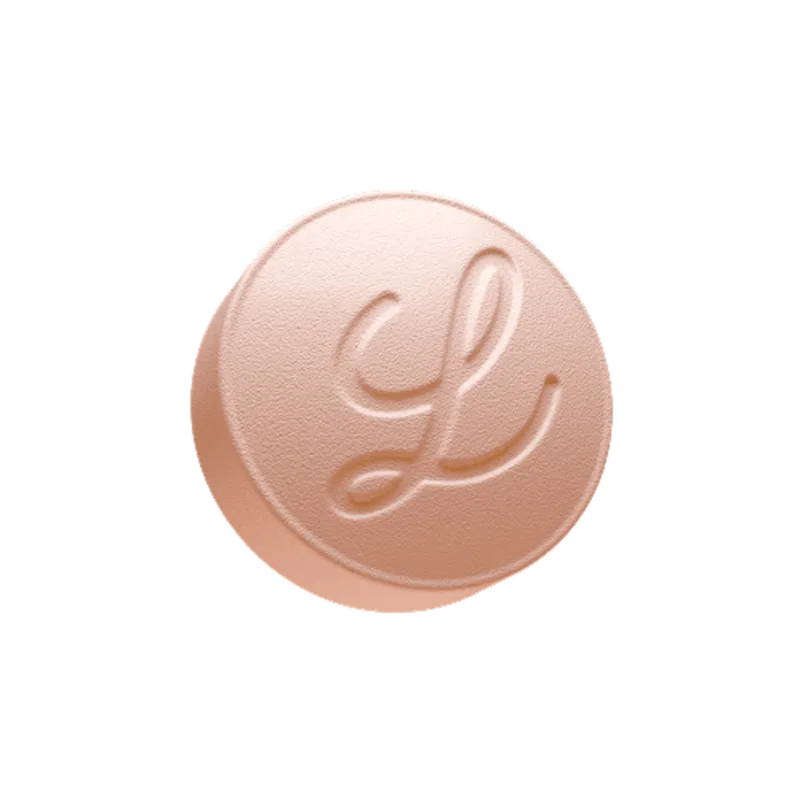
A weight loss clinic in Dubai posted on social media in early May. They had been selected as one of the first providers globally, and the first in the region, to offer Foundayo, Eli Lilly's brand new oral GLP-1 pill, weeks after its FDA approval [Lilly, news release, April 2026]. The post is still up. Within 24 hours, the clinic claimed more than a thousand patients on the waitlist.
The clinic is not named here. The choice their patients are about to make, however, deserves to be understood, because it is not the choice the marketing makes it sound like.
Two oral GLP-1 weight loss pills now exist. They look interchangeable on a prescription pad. They are not. One arrived in UAE pharmacies in May 2026. The other has not yet launched here. The four month gap between their FDA approvals is the smaller part of the story. The much larger part is what sits behind each approval, and what twenty five years of pharmaceutical history says about being first in line for a brand new molecule.
Two pills, two timelines
Wegovy's oral pill, a once daily 25mg dose of semaglutide, was approved by the U.S. Food and Drug Administration on December 22, 2025 [FDA approval announcement, Novo Nordisk, December 2025]. Foundayo, a once daily dose of a new molecule called orforglipron, was approved on April 1, 2026 [Lilly, press release, April 2026]. Both are indicated for adults with obesity or with overweight plus a weight related comorbidity. Both deliver phase III weight loss in the 12 to 17 percent range over roughly a year of treatment. From a vending machine perspective, they are the same drug.
They are not the same drug. Semaglutide is a peptide. Orforglipron is a small molecule. Semaglutide has been an FDA approved drug since December 2017. Orforglipron has been an FDA approved drug since April 2026. The conversation about which one is the right choice begins with that gap.
What Wegovy oral actually inherits
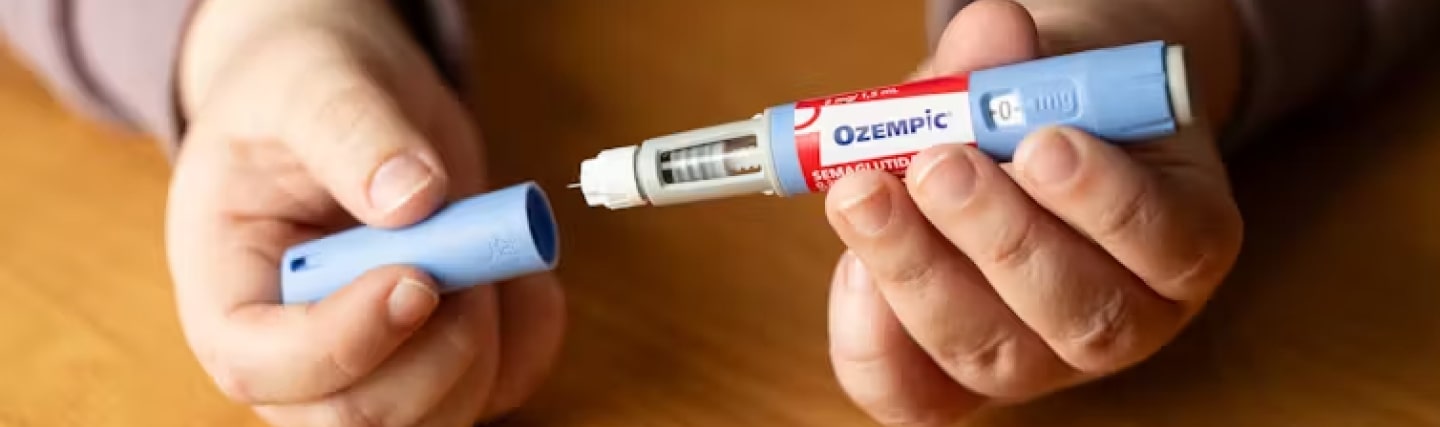
Semaglutide is not a new compound. It was first approved in late 2017 as Ozempic, an injectable for type 2 diabetes [FDA Ozempic approval, December 2017]. Three years of safety data accumulated in diabetic patients before the first weight loss indication. The PIONEER program, ten phase III trials run between 2017 and 2020, established the pharmacokinetics, dosing, and safety profile of oral semaglutide in type 2 diabetes [Aroda et al., Diabetes Care, 2019]. SUSTAIN 6, a cardiovascular outcomes trial published in the New England Journal of Medicine, demonstrated that semaglutide reduces major adverse cardiovascular events in high risk patients with type 2 diabetes [Marso et al., NEJM, 2016]. By the time the FDA was looking at oral semaglutide for weight loss, it was looking at a molecule with hundreds of thousands of patient years of accumulated data.
STEP 1, the foundational weight loss trial for injectable semaglutide, published in the New England Journal of Medicine in 2021, demonstrated 14.9 percent mean weight loss over 68 weeks [Wilding et al., NEJM, 2021]. OASIS 1, published in the same journal in 2023, demonstrated that oral semaglutide at 50mg daily achieves comparable weight loss [Knop et al., The Lancet, 2023]. OASIS 4, the trial that supported the FDA approval of the actual 25mg pill that's now in U.S. pharmacies, demonstrated 16.6 percent mean weight loss in adherent patients over 64 weeks [Novo Nordisk OASIS 4 results, 2025].
When the FDA approved Wegovy's oral formulation in December 2025, the agency was approving the eighth iteration of a molecule it had already been studying for eight years. The same chemistry. The same receptor. The same metabolic pathway. A different delivery method. The post market surveillance file at the FDA had millions of patient years of injectable semaglutide data already in it [FDA Adverse Event Reporting System, 2017 to 2025].

What Foundayo actually represents
Orforglipron is a different beast. It is the first small molecule, non peptide, GLP-1 receptor agonist to reach FDA approval. The chemistry is novel. The receptor binding mode is novel. The fact that it can be taken any time of day, with food, and without the empty stomach water restrictions that semaglutide requires, is a direct consequence of that novel chemistry. It is a genuine pharmaceutical achievement [Lilly orforglipron development overview, 2024 to 2026].
The supporting evidence is two phase III trials. ATTAIN 1, a 72 week trial in adults with obesity, demonstrated approximately 12.4 percent mean weight loss at the highest dose, versus approximately 0.9 percent on placebo [Lilly press release, ATTAIN 1 results, 2025]. ATTAIN MAINTAIN, a 52 week maintenance trial, demonstrated that patients who switched from injectable Wegovy or Zepbound to oral orforglipron preserved most of their weight loss [Lilly press release, ATTAIN MAINTAIN results, 2025]. The discontinuation rate for adverse events was reported at 4.8 to 7.6 percent across the trial program. The most common side effects were gastrointestinal.
Both trials are well conducted. Both produce real, meaningful weight loss. Both are also the entirety of the public clinical evidence on this molecule as of May 2026. There is no PIONEER program for orforglipron. There is no SUSTAIN 6 equivalent. There is no decade of off label use by endocrinologists. There is no large scale pharmacovigilance signal. As of this writing, orforglipron has been on the FDA approved list for approximately five weeks.
The lesson of Vioxx
In May 1999, the FDA approved a new pain medication called rofecoxib. The brand name was Vioxx. It was a first in class COX-2 inhibitor, smarter chemistry than the older NSAIDs, gentler on the stomach lining, and within five years it had captured a 2.5 billion dollar annual market [Merck financial disclosures, 2000 to 2004].
In September 2004, Merck withdrew it. The APPROVe trial, designed to test whether Vioxx could prevent colon polyps, instead showed that the drug roughly doubled cardiovascular event risk in chronic users [Bresalier et al., NEJM, 2005]. By the time of withdrawal, an FDA testimony estimated that 88,000 to 140,000 Americans had experienced serious cardiovascular events on Vioxx, and that the death toll was likely in the tens of thousands [Graham, FDA testimony to Senate Finance Committee, 2004]. The cardiovascular signal had been present, in retrospect, in pre approval trials. It was small enough to be statistically dismissed at the time. It became impossible to dismiss at population scale.
Avandia, the brand name for rosiglitazone, followed the same arc. Approved 1999 for type 2 diabetes. Peaked 2006. Restricted to limited use in 2010 after a meta analysis published in the New England Journal of Medicine showed elevated myocardial infarction risk [Nissen and Wolski, NEJM, 2007]. Like Vioxx, the signal was present in earlier data. Like Vioxx, the signal only became unignorable once millions of patient years had accumulated.
Speak to a UAE physician
The lesson is conservative, not paranoid
No claim is being made here that orforglipron will be the next Vioxx. The molecule has performed well in trials. The mechanism is plausible. Lilly is a credible manufacturer with a long track record in metabolic medicine. The base rate for a phase III approved drug becoming a withdrawal is low.
The point is more conservative. When a drug has five weeks of post market data, you do not yet know what five years of post market data will show. Some of those signals will be upside, broader indications, populations that benefit more than the trials predicted. Some will be downside, safety findings that did not reach significance in trials of a few thousand patients. The Vioxx and Avandia stories are not arguments against ever taking new drugs. They are arguments for understanding what novelty actually costs.
A patient considering a daily oral medication they will likely take for twelve months or longer is, by definition, making a bet on data that does not yet exist. Wegovy oral makes that bet on a molecule with eight years of accumulated FDA pharmacovigilance. Foundayo makes that bet from scratch.
The convenience argument, fairly weighed
Foundayo's most compelling pitch is convenience. It can be taken any time of day, with or without food, without the empty stomach plus 30 minute wait that oral semaglutide requires [Foundayo prescribing information, Lilly, 2026]. This is a real advantage and it should be acknowledged honestly.
Adherence is the dominant variable in long term weight loss outcomes. A medication that's easier to take is a medication patients actually take. Real world studies of injectable semaglutide showed adherence rates substantially below the rates in controlled trials, and the difference translated directly into real world weight loss numbers that were lower than published trial averages [Sodhi et al., JAMA, 2023]. If a patient genuinely cannot maintain the empty stomach morning ritual that oral semaglutide demands, the practical result of insisting on the better evidenced drug may be no drug at all.
That is the case for Foundayo at its strongest. It is a real case. It is also narrower than it sounds. Patients who simply prefer the convenience of an any time pill are choosing comfort over evidence. The clinical literature is reasonably clear on which choice ages better.
The UAE timing question
Foundayo arrived in UAE pharmacies in May 2026, weeks after its U.S. approval, through one of the few clinics in the region with the early access channel to Lilly's distribution. Wegovy's oral pill has not yet launched in the UAE, although industry reporting suggests it will reach regional pharmacies later in 2026 [Fierce Pharma, oral GLP-1 launch tracker, 2026].
This puts UAE patients in a specific and slightly awkward position. The first to pharmacy option is the less evidenced option. The clinic announcing a thousand patient waitlist is responding to genuine demand for an oral GLP-1, but the demand exists in part because the better evidenced option is not yet locally available. For patients who can wait a few months, the calculus is different than for patients who cannot. For patients already on injectable Wegovy or Zepbound who want to transition to a pill for travel, the ATTAIN MAINTAIN trial provides reasonable evidence that orforglipron preserves the gains. For patients starting fresh, the choice between starting now on Foundayo and waiting for Wegovy oral is, on the merits, closer to a coin flip than the marketing suggests, except that the data depth is on the side of the molecule that has not yet arrived.
A clinic with a thousand patients on a waitlist is a clinic whose marketing department has earned its bonus. It is not yet a clinic whose patients have read the data.
What to ask before joining a waitlist
If the choice is yours, ask the clinic these six questions before signing anything. The answers tell you whether they are practicing medicine or moving inventory.
- How many patient years of post market surveillance exist on this exact molecule, in any indication?
- What does the prescribing information say about cardiovascular outcomes, and is there a dedicated cardiovascular outcomes trial running?
- Has this drug been studied in patients with my specific comorbidities, including thyroid history, pancreatitis history, or a personal or family history of medullary thyroid carcinoma?
- What is the discontinuation rate due to adverse events, and how does it compare to the discontinuation rate of the alternative drug class?
- What 12 month and 24 month follow up evidence exists, and where can I read it directly?
- If a safety signal emerges in the next 18 months, what is the clinic's protocol for contacting patients?
A clinic that answers all six in plain language is a clinic worth working with. A clinic that gets defensive at any of them is a clinic to walk away from.
The bottom line
Two oral GLP-1 weight loss pills, approved within four months of each other. Both backed by phase III data. Both available to UAE patients, one already and one shortly. The evidence is not equal.
Foundayo is genuinely innovative pharmaceutical chemistry, with promising trial data and a manufacturer that knows what it's doing. It also may turn out to have surprises that have not yet shown up. Wegovy oral inherits eight years of FDA pharmacovigilance on the same underlying molecule, including a cardiovascular outcomes trial and millions of patient years of accumulated injectable use. For a daily medication a patient will take for a year or longer, that depth of evidence is worth waiting a few months for.
The clinic with a thousand patients on a waitlist for a five week old drug is not making a clinical argument. They are making a marketing one. The right question, before joining that list, is whether you would rather be early to a pharmacy or early to the safety record.
Talk to a licensed UAE physician before starting any oral GLP-1, including either of these. Bring this article, and bring the six questions in the section above. This is editorial commentary, not medical advice for your specific situation.